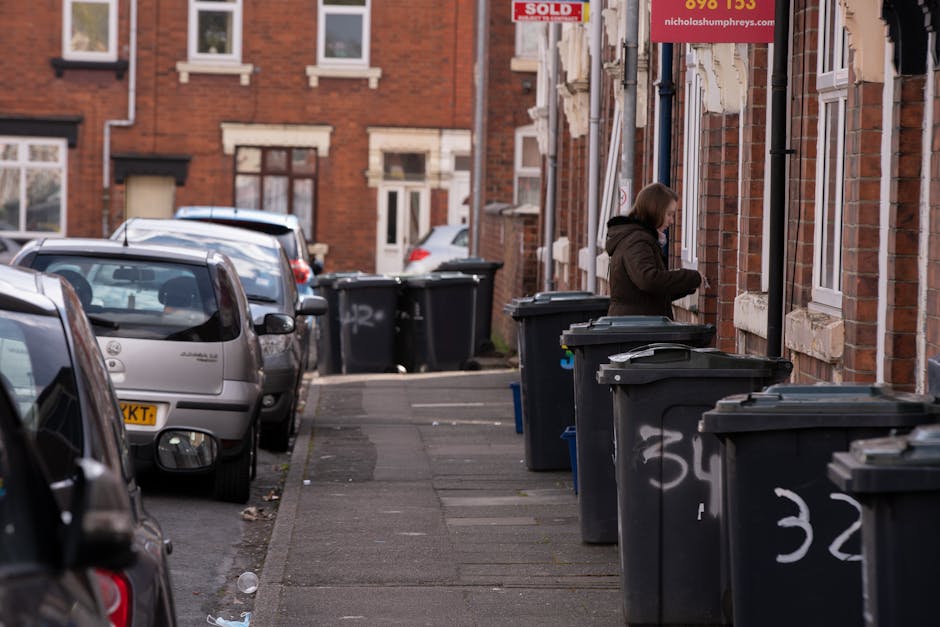
House Clearance Rubbish Removal Chigwell High Road Homes
If you live, manage, rent, or are helping clear a property along Chigwell High Road, the reality is usually a bit messier than people expect. One room becomes three. The loft has old boxes, broken furniture, and forgotten bits from years ago. The garden has a pile that looked small last week but somehow isn't small anymore. That's where House Clearance Rubbish Removal Chigwell High Road Homes comes in: a practical, organised way to clear unwanted items quickly, safely, and with far less stress than trying to do it all in one weekend.
This guide explains how house clearance and rubbish removal typically work in Chigwell High Road homes, what to consider before booking, how to avoid common mistakes, and which service options suit different situations. You'll also find a checklist, a clear comparison of methods, and a few grounded tips from the kind of real-world situations people face every day. To be fair, it's not glamorous work. But it can be made much easier.
Table of Contents
- Why House Clearance Rubbish Removal Chigwell High Road Homes Matters
- How House Clearance Rubbish Removal Chigwell High Road Homes Works
- Key Benefits and Practical Advantages
- Who This Is For and When It Makes Sense
- Step-by-Step Guidance
- Expert Tips for Better Results
- Common Mistakes to Avoid
- Tools, Resources and Recommendations
- Law, Compliance, Standards, or Best Practice
- Options, Methods, or Comparison Table
- Case Study or Real-World Example
- Practical Checklist
- Conclusion
- Frequently Asked Questions
Why House Clearance Rubbish Removal Chigwell High Road Homes Matters
House clearance is more than "getting rid of junk". In a real home, it often sits at the crossroads of practicality, timing, privacy, and emotion. A clearance might follow a move, a bereavement, a long-term declutter, a tenancy change, or a property refurbishment. On Chigwell High Road, where homes can vary from compact family spaces to larger properties with garages, lofts, outbuildings, and awkward access, the job can become complicated fast.
What makes it matter is not just the volume of waste. It's the knock-on effect of leaving it too long. Hallways get blocked. Gardens become difficult to use. Damp items linger. The project starts to feel bigger every day. And once you're dealing with mixed materials, old appliances, sofa disposal, and maybe confidential paperwork, you need a plan rather than a rough guess.
There's also the practical side that people sometimes overlook: waste must be sorted and handled properly. Furniture, electrical items, bagged rubbish, mattresses, and plasterboard are not all treated the same. If you want the job done smoothly, you need a service that understands the difference between ordinary domestic waste and items that need specialist handling. That is where a dedicated house clearance service or a suitable mix of rubbish removal and skip-based solutions can make life much easier.
And yes, the location matters too. High Road properties often mean tighter roadside access, neighbours nearby, limited parking, and the usual realities of a busy stretch of road. That affects loading, timing, and whether a skip, a wait-and-load arrangement, or a man-and-van style collection is the smartest option. Simple, really - but only once it's been thought through.
How House Clearance Rubbish Removal Chigwell High Road Homes Works
The exact process depends on the property, the amount of waste, and how quickly the clearance needs to happen. But the basic flow is usually straightforward:
- Assess what needs removing. This can be a single room, the whole property, the loft, garage, garden, or a combination.
- Separate the waste types. Reusable items, general rubbish, bulky furniture, electricals, and any restricted items should be identified early.
- Choose the right removal method. A skip, wait-and-load collection, man-and-van, grab hire, or a fuller clearance service may be appropriate.
- Plan access and timing. For High Road homes, this can be the difference between a clean, fast clearance and a frustrating delay.
- Load, remove, and sort responsibly. The aim should be efficient removal with proper routing of recyclable materials.
For smaller jobs, a skip can be ideal if you want to work at your own pace. If access is awkward, a wait and load skip hire arrangement can be a useful compromise: the vehicle arrives, the waste is loaded promptly, and the skip does not sit outside the property for days. That can suit busy roads or locations where permits and parking are a headache.
If you need more hands-on help, a collection service such as man and van may fit better. It's especially handy when you want someone to do the lifting, not just provide a container. For heavier or bulkier material, a grab hire service can sometimes be the better move, particularly where waste is piled in a garden or on a driveway and you want fast collection without shovelling everything into bags.
Truth be told, the best method is the one that fits the property rather than the one that sounds cheapest on paper.
Key Benefits and Practical Advantages
The obvious benefit is getting your space back. But there's more to it than that.
- Less physical strain. Moving mattresses, wardrobes, broken appliances, and bagged rubbish is hard work. One awkward lift is all it takes to strain your back.
- Better time control. Instead of piecing the job together over several weekends, you can clear the property in one planned session.
- Cleaner presentation. This matters if the home is being sold, rented out, refurbished, or prepared for new occupants.
- Improved sorting and recycling. A good clearance approach gives recyclable materials a better chance of being separated correctly.
- Reduced disruption. For homes close to Chigwell High Road traffic, minimising repeated trips can make a real difference.
- More flexibility for awkward jobs. Loft clearances, garage clean-outs, and mixed household waste all tend to produce odd-shaped items. That's normal.
If the clearance involves furniture or bulky domestic items, related services such as mattress and sofa disposal and fridge and appliance removal can be particularly useful. A fridge, for example, is not just "another bulky thing". It needs handling with care, and it's often best to treat it separately from ordinary household rubbish.
Another real advantage is peace of mind. Once the property is cleared properly, people often say the same thing: it feels lighter. Not poetic, just true.
Who This Is For and When It Makes Sense
This kind of service is useful for a wider range of people than many assume. It's not just for end-of-tenancy rush jobs or major life events, though those are common triggers.
- Homeowners clearing clutter before a sale, renovation, or family change.
- Landlords dealing with left-behind belongings after tenants move out.
- Estate executors managing a property after a bereavement.
- Letting agents who need a home made ready for the next occupant.
- Families tackling years of accumulated items in a loft, garage, or spare room.
- Older residents who want to simplify a home without being overwhelmed by the heavy lifting.
It also makes sense when the house contains mixed waste that would otherwise require several separate trips. A typical example: a spare room full of old books, broken flat-pack furniture, a rug, a TV, and a stack of cardboard. That is exactly the kind of mixed load where people waste a whole day trying to sort it into tiny piles. Better to step back and choose the right method first.
If the project stretches into the loft or garage, the related garage and loft clearance service can be worth considering. Those spaces tend to hide more than people remember - old paint tins, tangled Christmas lights, a cracked suitcase, three mysterious cables. Somehow there's always a cable.
Step-by-Step Guidance
If you want the job to go smoothly, the order matters. Here's a practical sequence that keeps the mess down and the stress lower.
- Walk through the property. Look room by room, not just at the obvious piles. Open cupboards, check under stairs, and glance in corners.
- Decide what stays. Be strict. If something might be needed "one day", move it to a keep pile or box it separately.
- Identify restricted items. Anything hazardous, sensitive, or regulated should be set aside early.
- Choose the clearance method. Skip hire, rubbish removal, grab hire, or a fuller house clearance solution each serves a different type of job.
- Prepare access. Clear the hallway, make sure gates can open, and move cars if needed.
- Schedule the collection. If timing is tight, look at same day skip hire or another fast-turnaround option where appropriate.
- Load systematically. Put heavier items in first, then fill gaps with smaller waste. Don't just throw things in and hope for the best.
- Check the finish. Once the waste is gone, do a final sweep so you don't leave behind small bits that become annoying later.
For many households, a simple decision tree helps. If the waste is mostly bagged and the access is straightforward, a skip may be the easiest choice. If access is tight and you need speed, rubbish removal or wait-and-load may feel far less fiddly. If the job involves building work as well as household clearance, you may need something more tailored, such as builders skip hire or even support from builders waste removal.
Expert Tips for Better Results
A few small decisions make a big difference. That's usually where the time savings come from, not from dramatic shortcuts.
- Sort before you lift. Mixed waste is fine, but separate anything reusable, sensitive, or hazardous first.
- Measure bulky items. A sofa looks smaller in a hallway than it does on the landing. Ask me how that goes.
- Keep pathways clear. One clear route from room to collection point speeds up everything.
- Don't overfill containers. Whether it's a skip or a vehicle, safe loading matters.
- Protect floors and corners. Old plaster dust and dragged furniture can leave ugly scuffs very quickly.
- Think about recycling early. It is much easier to separate materials before they are all mixed together.
If you are unsure which waste category your items fall into, the page on what can go in a skip is a sensible starting point. It helps you avoid the classic mistake of loading in something that should have been handled separately. And yes, that mistake happens more often than people like to admit.
One more practical tip: if the property is on a busy stretch and you're worried about parking or time on site, consider whether an enclosed or lockable container is appropriate, or whether a quick collection makes more sense than leaving waste outside. Those small logistics choices can save a lot of back-and-forth.
Common Mistakes to Avoid
House clearance looks simple until the details start stacking up. These are the errors that tend to cause the most friction.
- Leaving it until the last minute. Rushed clearances cost more in time and energy, and they usually feel chaotic.
- Underestimating volume. What looks like a few bags can become a full load once it's all brought out of the rooms.
- Ignoring access issues. Narrow drives, shared entrances, and roadside parking all matter.
- Mixing restricted items with general rubbish. This can delay the clearance or force a separate collection.
- Choosing the wrong service for the job. A waste bag solution might be fine for a small declutter, but not for a full house clearance after years of accumulation.
- Forgetting to ask about recycling and disposal practices. It's reasonable to want waste handled responsibly.
One common pattern we see is someone booking a general collection for a property that really needs a fuller clearance plan. Another is the opposite: booking a large skip when only a modest amount of waste exists, then paying for space they never use. Neither is disastrous. But both are avoidable.
If the property includes sensitive paperwork or files, don't dump them into a mixed load without thinking it through. In those cases, confidential shredding is a better-fit solution. It's a small detail, but an important one.
Tools, Resources and Recommendations
You do not need a van full of specialist gear to clear a home, but a few sensible tools can make the job easier and safer:
- strong bin bags or rubble sacks for general waste
- gloves with a good grip
- a tape measure for bulky furniture
- marker pens and labels for keep, donate, and remove piles
- sturdy boxes for documents, cables, and small mixed items
- a torch for lofts, cupboards, and under-stairs spaces
From a service perspective, the most useful starting points are usually house clearance, domestic skip hire, and skip sizes and prices. Those pages help you compare the practical shape of the job against the available options.
If you're dealing with waste from a loft, garage, or garden as part of the same project, related pages like garden waste removal and waste recycling services are also relevant. A bit of joined-up thinking saves everyone time.
Law, Compliance, Standards, or Best Practice
For domestic customers, the big point is simple: waste should be handled by a responsible carrier, and it should not be dumped or left where it could cause a nuisance or safety issue. UK waste rules can get technical quickly, so it's sensible to keep the advice practical. If a service is handling your rubbish, check that it operates with the right standards for transport, disposal, and safety. You do not need to become an expert in waste law, but you do need confidence that the material is being dealt with properly.
Best practice usually includes:
- safe lifting and loading procedures
- clear handling of mixed household waste
- separate treatment for hazardous or restricted items
- responsible recycling wherever practical
- careful attention to access, neighbours, and property condition
If you are adding a skip to a public road or another restricted space, it may require a permit. It's worth checking that early rather than discovering it too late. The relevant pages on skip permits and skip hire permits are useful for that sort of planning.
Health and safety matters too. Lifting heavy items from upper floors, moving sharp broken materials, or navigating narrow stairs all carry obvious risks. That's why the policies around health and safety and insurance and safety matter even in domestic jobs. They are not just paperwork. They tell you the job has been thought through.
For households wanting reassurance about business practices more broadly, pages like about us, payment and security, and recycling and sustainability are also worth reviewing before booking.
Options, Methods, or Comparison Table
Different homes need different approaches. Here's a simple comparison that can help you decide without overcomplicating it.
| Method | Best for | Strengths | Possible drawbacks |
|---|---|---|---|
| Domestic skip hire | Projects with steady, mixed household waste | Flexible loading, good for ongoing clear-outs | May need a permit; takes space outside |
| Wait and load | Homes with limited parking or quick clearances | No long roadside siting, fast turnaround | You need to be ready to load quickly |
| Man and van | Bulky items, smaller home clearances, lift-heavy jobs | Hands-on help, less physical effort for you | Not ideal for very large volumes |
| Grab hire | Loose waste piles, heavier mixed loads, driveway or garden clearances | Fast removal of awkward volumes | Needs access for the vehicle and arm reach |
| Full house clearance | Whole-property clear-outs, estate work, major transitions | Most comprehensive, least hassle for you | May cost more than doing part of it yourself |
If you are still weighing it up, ask yourself one blunt question: do you want to store waste temporarily, or do you want it gone quickly and properly? That answer tends to point you to the right method faster than any fancy comparison chart.
Case Study or Real-World Example
Consider a typical High Road property where the owners are preparing to move. The ground floor is fairly tidy, but the loft, spare room, and garage are packed with old furniture, cardboard boxes, broken garden tools, a mattress, and a couple of outdated appliances. Nothing unusual, really. Just life being life.
The first instinct is often to do it all with multiple car trips. Then the weather turns, parking becomes awkward, and the items that looked "manageable" suddenly feel far heavier at 4:30 in the afternoon. A better approach would be to separate the contents into three groups: keep, recycle, and remove. Bulky items can then be handled through a suitable combination of man and van, fridge and appliance removal, and either a skip or a broader house clearance service.
In that kind of job, people usually notice two things. First, the property becomes usable again much faster than expected. Second, the emotional weight eases once the clutter is out of sight. It's not magic, just momentum. And sometimes that's enough to get the next stage of the move, sale, or refurbishment moving properly.
Practical Checklist
Use this before you book or start loading.
- Have I checked every room, loft, cupboard, and outdoor area?
- Have I separated items to keep from items to remove?
- Are there any hazardous, confidential, or unusually heavy items?
- Is access clear for a vehicle, team, or container?
- Do I need a permit or roadside placement plan?
- Do I know whether I need a skip, wait-and-load, grab hire, or a full clearance?
- Have I considered recycling and responsible disposal?
- Is the timing realistic for the scale of the job?
- Have I measured bulky items before assuming they'll fit?
- Do I know who I'll speak to if I need to change the plan?
A small extra check can save a lot of hassle: photograph the load or the rooms before the work begins. It helps with planning, and it gives you a simple before-and-after record, which oddly enough can be very motivating.
Get a free quote today and see how much you can save.
Conclusion
House clearance and rubbish removal for Chigwell High Road homes works best when it is treated as a practical project, not a panic job. Once you understand what needs to go, what needs special handling, and which removal method fits the property, the whole process becomes much more manageable. That is the real win: less stress, fewer surprises, and a space that feels properly reset.
If you are clearing a family home, a rental property, a loft, or a mixed load of bulky waste, the smartest next step is usually to choose the method that suits your access and timing, then build the rest of the plan around it. Simple enough. Not always easy, but simple enough.
And when it's done, you'll notice it straight away - the room sounds different, the air feels lighter, and the job that seemed endless has finally been taken care of.
Frequently Asked Questions
What is House Clearance Rubbish Removal Chigwell High Road Homes?
It refers to clearing unwanted household items and general rubbish from homes along Chigwell High Road, using the most suitable removal method for the property and load.
Is house clearance the same as rubbish removal?
Not quite. Rubbish removal usually means taking away waste, while house clearance often involves a fuller service that can include sorting, loading, and removing items from multiple rooms.
Do I need a skip for a house clearance?
Not always. A skip can be useful for ongoing decluttering or mixed waste, but a man-and-van service, grab hire, or wait-and-load may suit the access and timing better.
What items are commonly removed in a home clearance?
Typical items include furniture, bagged rubbish, cardboard, broken appliances, mattresses, old toys, loft clutter, and garage contents. Some items may need specialist handling.
Can I get help with sofa, mattress, or appliance disposal?
Yes. Those items often need separate handling, so services like mattress and sofa disposal and fridge and appliance removal are useful where appropriate.
What if my property is on a busy road with limited parking?
That is common on busy stretches like Chigwell High Road. In those cases, wait-and-load or a direct collection service may be easier than leaving a skip outside for long.
How do I know which waste items can go together?
General household rubbish can often be grouped together, but restricted or hazardous items should be separated. The what can go in a skip guidance is a good practical reference point.
Do I need a permit for a skip?
You may need one if the skip is placed on a public road or another regulated space. It is best to check early rather than leave it to chance.
Is same-day service available?
Sometimes, depending on capacity and location. For urgent clearances, same day skip hire can be a practical option if the timing works.
How can I reduce the cost of a house clearance?
Sort items before collection, separate reusable or recyclable materials, choose the right-sized method, and avoid paying for more capacity than you need. A little planning usually helps more than people expect.
What happens to the waste after collection?
It should be sorted, with recyclable materials separated where possible and the remaining waste sent to an appropriate disposal route. Responsible handling matters, especially for mixed household loads.
Who is this service best suited to?
It suits homeowners, landlords, letting agents, families, and anyone dealing with a property that needs clearing after a move, sale, tenancy change, or long-overdue declutter.
How do I get started?
Start by listing what needs to go, checking access, and deciding whether you need skip hire, rubbish removal, or a fuller house clearance. If you are ready to move ahead, a booking or quote request is the natural next step.