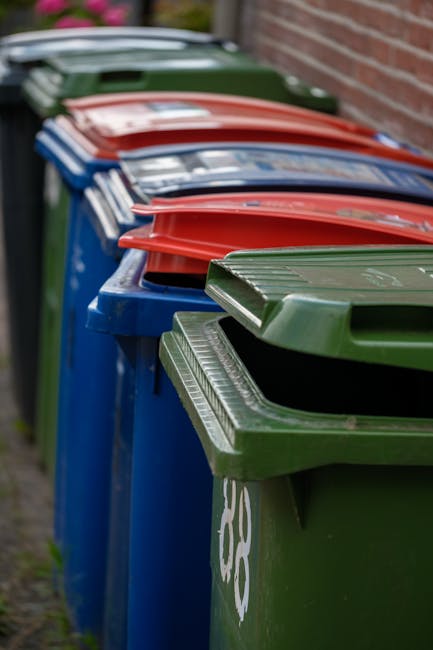
Rubbish Collection Chigwell Tube Station Roding Valley
If you are dealing with a pile of unwanted bags, renovation debris, broken furniture, or a garden clear-out near Chigwell Tube Station and Roding Valley, you are probably not looking for theory. You want a simple, reliable way to get the waste gone without making your day harder. That is exactly where Rubbish Collection Chigwell Tube Station Roding Valley comes in. Done well, it keeps paths clear, avoids hassle with access, and gets the job finished cleanly. Done badly, it can leave you waiting around with rubbish in the way. Nobody needs that.
This guide explains how rubbish collection works in this part of Chigwell, what to consider before booking, which method suits different loads, and how to avoid the common mistakes that cost people time and money. We will keep it practical, local, and plain English. If you are comparing options, you will also find useful links to relevant services such as rubbish removal, domestic skip hire, and wait and load skip hire.
Table of Contents
- Why Rubbish Collection Chigwell Tube Station Roding Valley Matters
- How Rubbish Collection Chigwell Tube Station Roding Valley Works
- Key Benefits and Practical Advantages
- Who This Is For and When It Makes Sense
- Step-by-Step Guidance
- Expert Tips for Better Results
- Common Mistakes to Avoid
- Tools, Resources and Recommendations
- Law, Compliance, Standards, or Best Practice
- Options, Methods, or Comparison Table
- Case Study or Real-World Example
- Practical Checklist
- Conclusion
- Frequently Asked Questions
Why Rubbish Collection Chigwell Tube Station Roding Valley Matters
The area around Chigwell Tube Station and Roding Valley is busy in a very everyday way: commuters, families, tradespeople, and people moving between home projects and work. That matters because rubbish is not just "stuff to remove". It can block narrow driveways, make front gardens untidy, cause access issues for neighbours, and turn a simple job into a longer one than it should be.
In practical terms, good rubbish collection protects your time and keeps the property usable. If you are clearing a house, refreshing a garden, or sorting trade waste after a job, the last thing you want is waste sitting around for days. In a location with mixed residential streets and varied access, timing matters. So does the type of collection method you choose.
There is also the trust side of it. People want to know where the waste goes, whether it is handled properly, and whether the service is suitable for the load they have. That is fair enough. You should be asking those questions. A proper collection service should be able to explain what can be taken, what cannot, and how items will be sorted for recycling where possible. For readers who want a fuller picture of the company's approach, it is worth reviewing the recycling and sustainability information and the broader about us page.
Expert summary: The best rubbish collection service is not always the cheapest or the fastest on paper. It is the one that fits your access, your waste type, and your timing without creating extra work for you.
How Rubbish Collection Chigwell Tube Station Roding Valley Works
Rubbish collection usually starts with one simple question: what do you need removed? Once that is clear, the right method becomes much easier to choose. For a small household clear-out, a man-and-van style collection might be enough. For heavier renovation waste, a skip or grab hire may be more practical. For a tight timetable, same-day or wait-and-load can be the smarter move.
Here is the general flow. First, you estimate the volume and type of waste. Then you decide whether the waste will be loaded by you, by the crew, or by a mixed approach. After that, you choose a service slot that suits access and traffic. Around station areas, even a few minutes can matter, especially if a vehicle needs to stop on a busier road or near a shared access point. To be fair, these details are the difference between a smooth job and a frustrating one.
If the waste is coming from a domestic clear-out, house clearance or garage and loft clearance may be more suitable than a general collection. For trade or renovation debris, builders waste removal or construction waste disposal can save time by matching the load to the right disposal route.
In some cases, the process is even simpler: book, load, remove, done. Nice when it works like that. If access is awkward or the waste is bulky, a service such as grab hire services or man and van may be better than setting a skip on the road or squeezing bags into a tight space.
Key Benefits and Practical Advantages
Rubbish collection near Chigwell Tube Station and Roding Valley offers a few practical advantages that are easy to underestimate until you need them. The first is speed. You can get a cluttered space back under control quickly, which is especially helpful during moving week, renovation week, or the not-so-glamorous "we need this sorted by Friday" week.
The second is convenience. You do not need to spend your own time making multiple trips to a disposal site, loading the car to the roof, or trying to work around opening hours. That alone can be worth a lot, especially if you are dealing with heavy items like old wardrobes, broken appliances, or bags of mixed waste.
The third is flexibility. Different loads need different solutions. A small amount of clean domestic waste may suit a straightforward collection. A bulkier, mixed load may work better with a larger vehicle or a skip-based solution. If you are unsure, a good starting point is to compare skip sizes and prices alongside pricing and quotes.
Another big advantage is tidiness. Let's face it, a property can start feeling stressful when waste builds up. A prompt collection clears that visual noise. You walk out the door the next morning and the front path is open again. Small thing, maybe. But it changes the mood of the whole place.
Who This Is For and When It Makes Sense
This type of rubbish collection is useful for a wide range of people. Homeowners use it after decorating, replacing furniture, or doing a seasonal clear-out. Landlords use it when tenants move out and leave a bit more behind than expected. Tradespeople need it after kitchen refits, bathroom updates, landscaping, or light demolition work.
If you are removing odd bulky items, the specialised services can make life easier. For example, an old fridge is not the same as a pile of cardboard. A mattress is not the same as mixed refurbishment waste. That is why targeted options such as fridge and appliance removal and mattress and sofa disposal exist. They help you avoid guessing and reduce the chance of the wrong items being placed in the wrong load.
Businesses also benefit. Office moves, archive clear-outs, and routine commercial waste can all be handled more smoothly with the right collection model. For those jobs, commercial skip hire or office clearance may be the better fit. If the waste is more sensitive, such as documents, confidential shredding can be worth considering.
Truth be told, if you have to ask whether the rubbish is too much for your car, it probably is. That is usually the point where a proper collection service starts making much more sense.
Step-by-Step Guidance
If you want a smooth collection, it helps to think it through before you book. You do not need a complicated plan. Just a sensible one.
- Sort the waste by type. Keep general rubbish separate from soil, hardcore, timber, metal, electrical items, and anything hazardous. This is especially useful if you are deciding between rubbish removal, grab lorry hire, or skip-based collection.
- Check access. Measure gates, note low branches, think about parking, and look at how a vehicle would reach the property. Around station roads and tighter residential streets, this step really matters.
- Estimate the amount. A few bags, half a room, a full garage, a builder's load - they each point to a different solution. If you are not sure, review what can go in a skip before deciding.
- Choose the best method. For quick loading and minimal time on-site, a wait and load skip hire option can be handy. For bigger jobs, a skip or grab vehicle may be more efficient.
- Confirm timing. If you need the waste gone on the same day, look at same day skip hire. If you have more time, you can plan around work or access restrictions.
- Prepare the site. Move cars, unlock gates, and keep the route to the waste clear. A ten-minute tidy-up beforehand can save a lot of awkward shuffling later.
- Book and communicate clearly. Give honest details about the waste and access. That helps avoid surprise charges, wrong vehicle choices, or delays. If you are ready to go ahead, use book online when it suits you.
Expert Tips for Better Results
One of the most useful things you can do is avoid mixing waste types unnecessarily. A clean load is easier to manage, often easier to recycle, and less likely to create issues. For example, a pile of garden cuttings is best handled separately from broken bathroom fittings. That sounds obvious, but people mash things together all the time. Then they wonder why it becomes harder. Easy trap to fall into.
If your job is in a tight access area, think about time rather than just vehicle size. A smaller load removed quickly can sometimes beat a larger service that struggles to park. That is where man and van or wait and load skip hire can outperform a more traditional setup.
For building work, it is worth matching the service to the stage of the project. Light strip-out waste and general building rubbish may suit builders skip hire. Heavier rubble, soil, and spoil may fit better with muck away services. The more accurately you match the method to the waste, the less friction you get.
And one more thing: do not leave it until the waste starts feeling like part of the furniture. We have all seen that corner of the room where boxes live for three weeks too long. Get ahead of it if you can.
Common Mistakes to Avoid
The biggest mistake is underestimating the amount of rubbish. People often think, "It's only a few bags," and then the real pile turns up in the morning sunlight looking twice as big. Happens all the time. If in doubt, allow a bit of breathing room.
Another common issue is choosing the wrong disposal method. A skip is not always the answer. A grab vehicle may be better for loose, heavy waste. A collection crew may be better for bulky items inside the property. If the waste is awkward and access is tight, a flexible option such as wait and load skip hire can avoid permit complications.
People also forget about restricted waste. Hazardous materials, some electrical items, and certain contaminated items need special handling. If there is any doubt, check hazardous waste disposal before you book. It is much easier to ask early than to sort it out mid-collection.
Then there is access. A missed parking note, a locked gate, or a blocked driveway can derail a job faster than anything else. Small detail, big impact.
Tools, Resources and Recommendations
You do not need fancy tools to organise a good collection, but a few basics help a lot. A tape measure is useful for checking skip or vehicle access. Bin bags or rubble sacks help with smaller items. A phone camera can make it much easier to show the provider what you are dealing with, especially if the waste is spread across a garage, shed, or garden corner.
If you are planning a larger project, look at the supporting services as well. site clearance helps when a space needs a full reset. construction waste clearance is useful when the job is more trade-led. garden waste removal is the cleaner option when the job is mostly green waste and cuttings.
For enclosed or higher-security loads, enclosed and lockable skip hire can be a smart choice. It is especially helpful where waste might otherwise be exposed to the weather or to casual tampering. Not every job needs it, of course, but when it does, you will know.
There are also practical pages that help with planning, payment, and trust. The company's payment and security and insurance and safety pages are worth a read if you want reassurance before booking, while health and safety policy gives a clearer sense of the standards they work to.
Law, Compliance, Standards, or Best Practice
Waste collection in the UK is not something to take casually. You do not need to be a legal specialist, but you should know the basics. Waste should be handled by a provider that deals with it properly, keeps it segregated where appropriate, and sends it through the right disposal or recycling route. If you are a business, your duty to dispose of waste responsibly is especially important.
For domestic customers, the main best practice is simple: do not mix prohibited items into general rubbish, and be honest about what you are disposing of. For commercial customers, keep a clearer audit trail of what has been removed and how it was handled. If documentation matters, ask about the provider's process rather than assuming. That little conversation can save a lot of uncertainty later.
Permit needs are another point. Not every collection needs one, but if a skip is going on a public road or another controlled location, the issue may come up. In that case, review skip hire permits or skip permits before making plans. The exact requirement depends on where the skip goes and how the collection is arranged.
Best practice is also about safety. Keep walkways clear. Do not overfill containers. Do not include items that could leak, explode, or create sharp hazards. A sensible collection is a safe one.
Options, Methods, or Comparison Table
Different rubbish problems need different fixes. This is where many people get stuck, because the "best" option depends on access, load type, timing, and how much labour you want to do yourself.
| Method | Best for | Strengths | Watch-outs |
|---|---|---|---|
| Rubbish removal | Household clutter, mixed unwanted items, smaller clear-outs | Simple, flexible, little lifting for you | Can be less efficient for large heavy loads |
| Skip hire | Renovation waste, ongoing projects, larger volumes | Good value for repeated use, convenient on-site storage | May need permits and space |
| Wait and load | Fast collections, tight streets, short loading jobs | No long on-street storage, quick turnaround | Requires you to be ready when the vehicle arrives |
| Grab hire | Heavy, loose, bulky waste and rubble | Good reach, efficient loading, handles large amounts well | Needs enough access for the vehicle |
| Man and van | Bulky items, mixed loads, property clearances | Flexible and practical for awkward items | Less suited to very heavy construction waste |
If you are still unsure, start with access and waste type. Those two things usually narrow the choice quickly. For many homes close to station roads, the deciding factor is not just how much waste there is, but how long it can sit there and whether parking is realistic.
Case Study or Real-World Example
Imagine a family clearing out a house near Roding Valley after a long-overdue loft tidy. The pile is a mix of old toys, boxes, broken shelving, a mattress, and a few awkward bits that have been sitting upstairs for years. At first, they think a small car load will do it. Then they actually look at the stack in daylight and realise it is more than expected. Quite a bit more.
In that case, a combined approach often works best. Bulky soft items may go through mattress and sofa disposal, while the mixed household waste can be handled through rubbish removal or, if there is enough of it, a small domestic skip hire option. If the driveway is tight and the street is busy at commute time, wait and load may actually be the cleanest solution.
That kind of job is a good reminder that the "right" answer depends on the day, not just the category of waste. One family might need a fast same-day job before school pickup. Another might have the luxury of planning for the weekend. Same area, different reality.
Practical Checklist
Use this quick checklist before you book rubbish collection near Chigwell Tube Station or Roding Valley.
- Identify the main waste type: household, garden, builders, bulky items, or mixed load.
- Separate anything potentially hazardous or restricted.
- Check access for vehicles, gates, and parking.
- Estimate the load size honestly, with a little buffer.
- Decide whether you need a fast collection or a planned slot.
- Choose between skip hire, rubbish removal, grab hire, or man and van.
- Ask whether you may need a permit if waste will be on a public road.
- Confirm how the waste will be handled and recycled where possible.
- Move obstacles before the crew arrives.
- Keep your booking details and any service notes in one place.
If you want to compare costs before committing, it is sensible to review pricing and quotes and, for bigger jobs, skip sizes and prices. That way you are not guessing in the last minute.
Get a free quote today and see how much you can save.
Conclusion
Rubbish Collection Chigwell Tube Station Roding Valley is really about making waste disappear in the least stressful way possible. Once you match the method to the job, everything gets easier: access, timing, cost, and the final tidy-up. That is true whether you are clearing a flat, dealing with a builder's load, or getting rid of bulky items after a long-overdue declutter.
The best outcome is usually the simplest one: clear guidance, the right collection method, and a team that understands local access without making you jump through hoops. If you want a service that fits your situation rather than forcing you into the wrong option, take a moment to check the available choices, ask the awkward questions early, and book the solution that genuinely suits the waste in front of you. Small planning now saves bigger headaches later. And that's the bit people usually thank themselves for.
Frequently Asked Questions
What does rubbish collection near Chigwell Tube Station and Roding Valley usually include?
It usually covers general household waste, bulky items, clear-out rubbish, and some light mixed waste. The exact scope depends on the service and the type of materials involved.
Is rubbish collection better than hiring a skip?
It depends on your access, volume, and how quickly you want the waste gone. A skip is useful for ongoing work, while rubbish collection is often better for quick clear-outs and bulky items.
Do I need a permit for rubbish collection?
Usually not for a direct collection, but you may need a permit if a skip is placed on a public road or in another controlled location. It is worth checking before booking.
Can I use same-day collection if I am in a hurry?
Yes, same-day options can be useful when you need the waste removed quickly. Availability depends on schedule and access, so it helps to book early in the day if possible.
What happens if I have mixed waste from a renovation?
Mixed renovation waste can often be collected, but the best method depends on the amount and type of material. Builders waste removal or construction waste disposal may be more suitable than a standard household clear-out.
Can old appliances be taken away with other rubbish?
Sometimes yes, but appliances are often best handled separately so they can be processed properly. Fridge and appliance removal is usually the cleaner option.
What if I only have a few bulky items?
Then a man and van or dedicated rubbish removal service is often more practical than a skip. It keeps things simple and avoids paying for more capacity than you need.
How do I know which skip size to choose?
Look at the waste volume, not just the number of items. A few large items can fill space quickly, so comparing skip sizes and prices is the safest way to avoid guessing.
Is hazardous waste included?
No, hazardous waste usually needs separate handling. If you are unsure whether something counts as hazardous, check the disposal rules before you book.
Can I book rubbish collection for a house clearance?
Yes, and it is a common use case. For larger or fuller properties, house clearance or garage and loft clearance may be a better fit than a general collection.
What should I do before the collection team arrives?
Clear access, separate the waste if you can, move vehicles, and make sure the crew can reach the load safely. A little preparation goes a long way, honestly.
How can I be sure the waste is handled responsibly?
Choose a provider that explains its process clearly and supports recycling where possible. Reading the recycling and sustainability information is a sensible place to start, along with the company's safety and policy pages.